
Exploring the psychology behind gambling addiction
The Nature of Gambling Addiction
Gambling addiction, often referred to as compulsive gambling or pathological gambling, manifests as an uncontrollable urge to gamble despite the potential for severe negative consequences. This isn’t merely about enjoying a game of chance; for many, it spirals into a chronic condition that disrupts personal lives, devastates finances, and undermines emotional well-being. The captivating thrill associated with gambling creates a powerful psychological cycle, compelling individuals to chase their losses and continue betting, even when they fully comprehend the harm it causes, including the allure of an instant withdrawal casino uk that promises immediate rewards.
Fundamentally, gambling addiction can be analyzed through the lens of behavioral psychology. When individuals experience the immediate gratification of winning or even the excitement of a near-miss, it activates the brain’s reward system. This neurological response generates feelings of pleasure akin to those experienced through substance abuse, creating a loop of behavior that is hard to break. The unpredictable nature of gambling fosters a distorted perception of luck and skill, leading individuals to mistakenly believe they can control or predict outcomes that are inherently dictated by chance.
Moreover, certain personality traits and external factors can intensify the likelihood of developing gambling addiction. Individuals who exhibit high levels of impulsivity and sensation-seeking behaviors are often more susceptible to this form of addiction. Additionally, socio-economic pressures, peer influences, and early exposure to gambling can further exacerbate the risk of developing compulsive gambling habits, highlighting the multifaceted nature of this addiction.
Psychological Triggers of Gambling Addiction
Several psychological triggers can lead individuals to engage in gambling behaviors, often culminating in addiction. Significant life stressors and anxiety can drive people to seek escape through gambling. This coping mechanism, while providing temporary relief, ultimately reinforces a cycle of dependency that deepens their gambling behavior. For many, the act of gambling becomes a way to distract from daily stresses, creating a paradox where the solution to their problems leads to greater issues.
Cognitive biases also play a critical role in the psychology of gambling addiction. The illusion of control is a prevalent cognitive distortion among gamblers, where individuals mistakenly believe they can influence outcomes in games of chance. This misguided confidence can lead to repeated betting and increased financial risk. Additionally, the gambler’s fallacy, the belief that past events influence future probabilities, can perpetuate gambling behavior, even as losses accumulate.
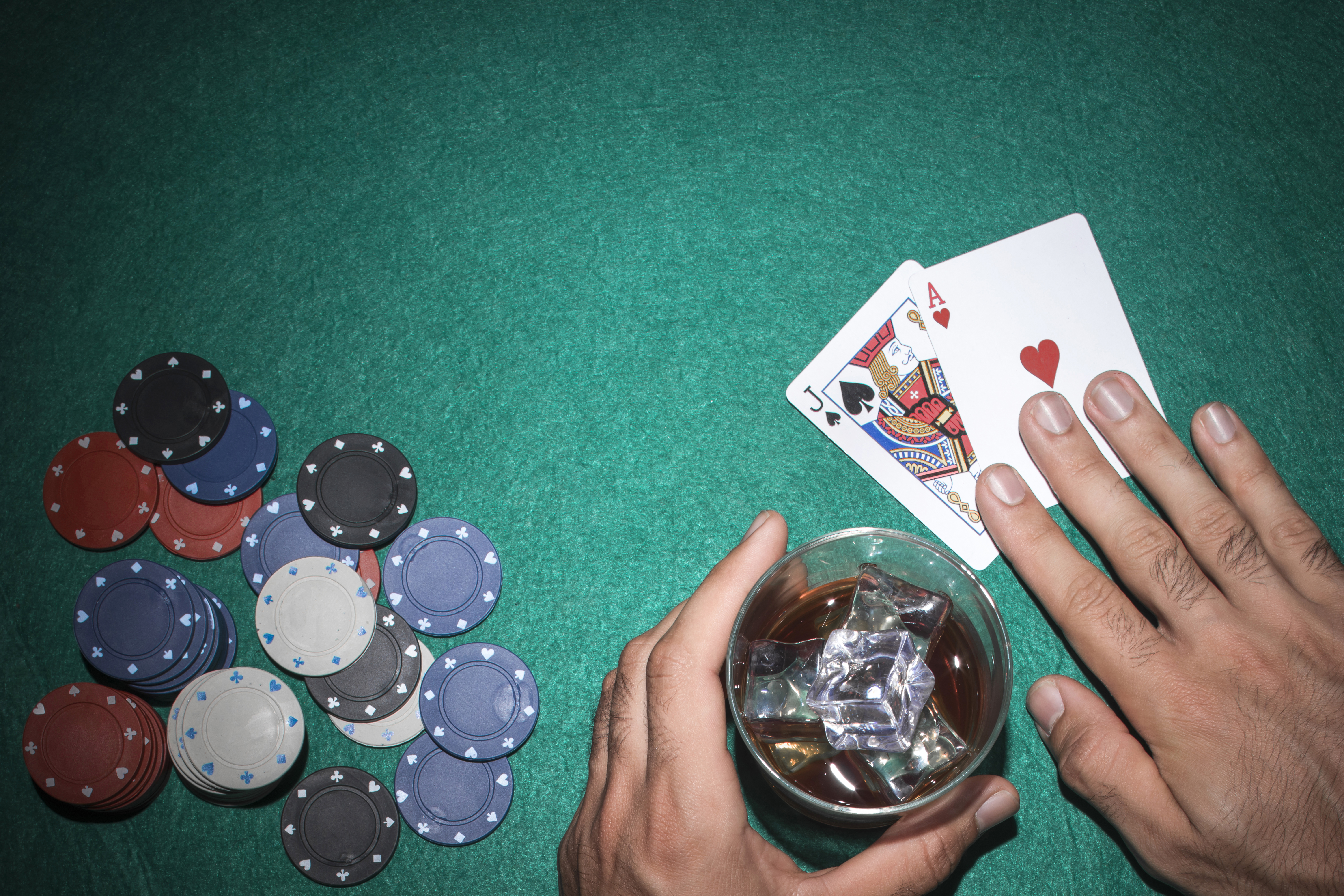
Social factors significantly contribute to the normalization of gambling, which is increasingly prevalent in various cultures. The rise of online gambling platforms and the portrayal of gambling in mainstream media can desensitize individuals to its risks. This normalization fosters a mindset where gambling is seen as a socially acceptable route to financial gain, often obscuring the psychological dangers associated with excessive gambling. As a result, individuals may overlook the signs of addiction until it becomes a substantial problem in their lives.
The Role of Neurobiology in Gambling Addiction
Understanding the neurobiological aspects of gambling addiction provides critical insights into why this issue is so pervasive. Research indicates that gambling activates brain pathways similar to those triggered by drug use. Neurotransmitters such as dopamine and serotonin are essential in reinforcing the pleasure and reward systems, making the urge to gamble increasingly compelling. This neurochemical response heightens the stakes of gambling, making it an enticing yet dangerous activity.
Further studies have shown that gambling addiction can lead to structural and functional changes in the brain. These alterations can impair decision-making, impulse control, and emotional regulation, creating a scenario where individuals struggle to resist the urge to gamble. The ongoing stimulation of the brain’s reward centers, paired with the deterioration of areas responsible for rational thought, perpetuates a cycle where individuals feel trapped in their gambling behaviors.
Recognizing the neurobiological factors at play in gambling addiction underscores the necessity for targeted treatment approaches. Cognitive-behavioral therapy (CBT) and pharmacotherapy are two effective strategies that address the compulsive behaviors associated with gambling. By focusing on rewiring the brain’s responses to gambling stimuli and developing healthier coping mechanisms, individuals can begin to regain control over their impulses and work towards recovery.
Treatment and Recovery Options
Recovering from gambling addiction is often a complex and nuanced journey that requires a multifaceted approach. The first step typically involves recognizing the problem and seeking assistance through various means, including counseling, support groups, or professional rehabilitation services. Cognitive-behavioral therapy has proven particularly effective, as it enables individuals to identify and modify harmful thought patterns and behaviors associated with gambling.

Support groups are crucial in the recovery process, providing individuals with a sense of community and shared experiences that foster understanding and empathy. Programs such as Gamblers Anonymous offer structured support that emphasizes accountability and personal growth through shared narratives and strategies. The collective experience of recovery can be incredibly empowering, reminding participants that they are not alone in their struggles and that recovery is attainable.
In addition to therapeutic interventions, implementing lifestyle changes is vital for sustaining recovery. This might involve avoiding environments that trigger gambling urges, engaging in healthier activities to replace the time previously spent gambling, and cultivating a robust support network of friends and family. Recovery is rarely a linear path, and individuals may face setbacks; however, with perseverance and appropriate support, it is possible to navigate toward a healthier, gambling-free life.
Resources for Understanding Gambling Addiction
For those seeking to deepen their understanding of gambling addiction, numerous resources are available to provide valuable insights and support. Educational websites dedicated to mental health and addiction can offer comprehensive information regarding the psychological, biological, and social dimensions of gambling addiction. These platforms often include guides to help recognize signs of addiction, explore treatment options, and share personal stories from individuals who have successfully navigated their recovery journeys.
Additionally, many local and national helplines exist to connect individuals with addiction counselors specializing in gambling-related issues. These professionals can provide immediate assistance and guidance, helping individuals and their families comprehend the complexities of gambling addiction and the available paths for help. Many communities also offer workshops and informational sessions aimed at raising awareness about gambling addiction and its impacts, fostering a more informed public.
Engaging with these resources not only enhances understanding but also promotes a sense of community among those affected by gambling addiction. Recognizing the importance of seeking help is a significant step in addressing the challenges posed by gambling addiction, leading to improved awareness and recovery efforts. By understanding the psychological underpinnings of gambling addiction, we can adopt a compassionate approach to treatment, fostering healthier choices and pathways to recovery.
